
Introduction
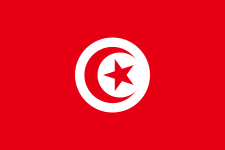
Tunisia has a rich history in football, with its national team, the "Eagles of Carthage", representing a nation with a unique sporting cultural heritage. Since its first match after independence, the team has proven its ability to compete on the international stage, achieving notable milestones, particularly qualifying for the 1978 FIFA World Cup. But how has this team evolved since that time?
The Journey Begins: From Independence to World Cup Qualification
After Tunisia gained independence in 1956, its first official match was against Libya in 1957, which ended in a 4-2 victory for the Tunisian side. This strong start provided the team with the confidence needed to pursue further achievements. In 1978, Tunisia announced itself on the international stage by qualifying for the World Cup, becoming the first African team to achieve this feat.
- First match post-independence: Tunisia vs Libya, 1957, Win 4-2
- First World Cup qualification: Tunisia 1978
- Other achievements: Participation in 5 World Cups to date
Key Players in the Team’s History
Over the years, Tunisia's national team has seen a number of standout players who have left a significant mark on the team’s history. Among them are:
- Issam Jomaa: One of the most prominent forwards in Tunisia's history, scoring numerous crucial goals.
- Zidane: A uniquely talented player capable of changing the course of matches.
- Wahbi Khazri: A current star in the team, playing a pivotal role in the attacking line.
Each of these players has significantly impacted the overall performance of the team, contributing to important victories and delivering strong showings on both continental and international stages.
Challenges Faced by the Team
Despite its achievements, Tunisia's national team has encountered various challenges over the years. These include:
- Injuries: Several key players have suffered injuries before major tournaments, impacting team performance.
- Administrative changes: Frequent coaching changes have led to periods of instability in performance.
- Psychological pressures: The players have faced significant pressure during major tournaments, adversely affecting some results.
What Does This Mean for Tunisia’s Future?
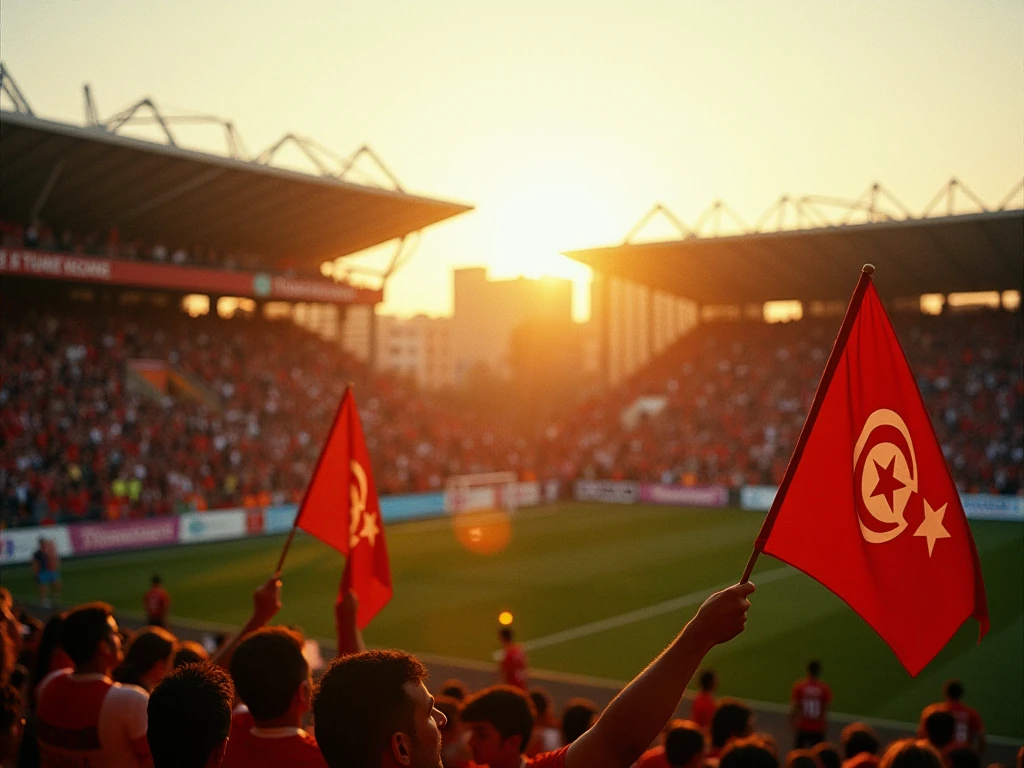
Tunisia boasts a large and dedicated fan base, making support for the national team an integral part of the country's culture. The challenges faced by the team are merely milestones on the road to success, as the team aims for even greater achievements in the future. With the 2026 FIFA World Cup approaching, the team looks to deliver commendable performances and maintain its standing on the international stage.
Fan Reactions and Outlook
Responses from Tunisian fans reflect significant enthusiasm towards the national team, with supporters expressing their unwavering backing. There are high hopes for positive results in upcoming tournaments, especially following impressive performances in recent qualifiers.
- Positive expectations: High fan support
- Impressive qualifying performances: Signs of team development
- Importance of fan support: A crucial element in the team's success
What’s Next?
With the 2026 FIFA World Cup on the horizon, Tunisia’s chances of competing for titles are worth noting. The team looks poised to strengthen its roster with standout players and leverage past experiences, making it a strong contender for new achievements.
The history of Tunisia's national team is filled with challenges and successes, and with continued fan support, the future for Tunisian football looks bright.